









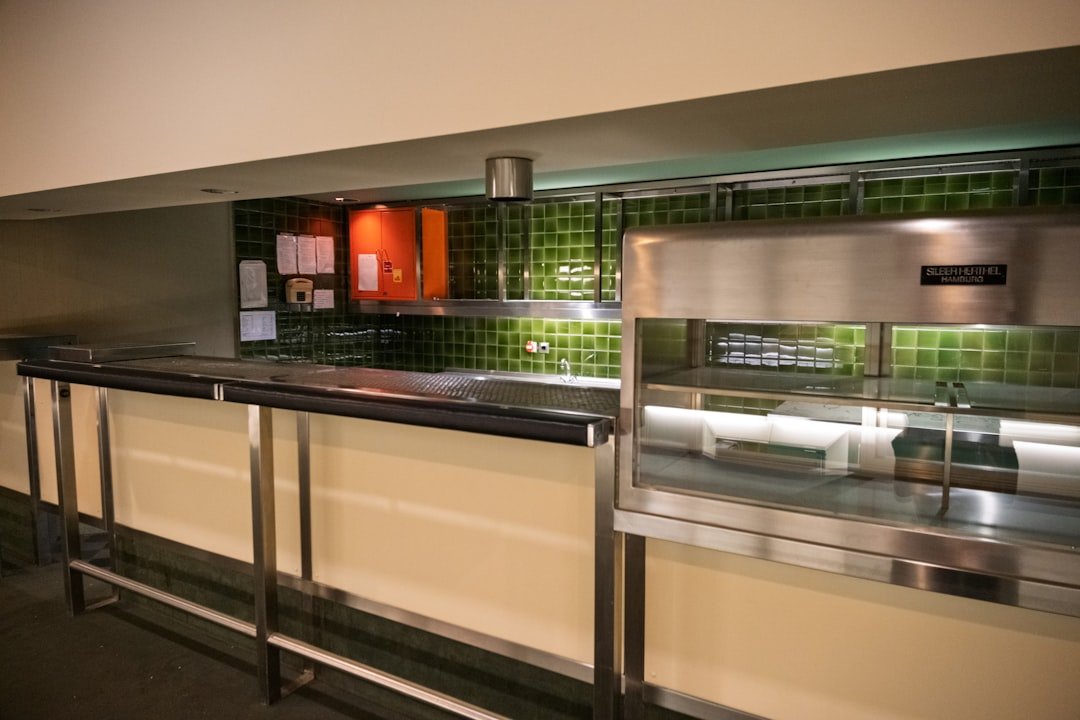
A commercial kitchen operates under constant pressure. Orders move quickly, equipment runs hot, and cleaning during service is limited to what is immediately necessary. Over time, this operational pace creates a cumulative hygiene challenge—one that routine daily cleaning is not designed to resolve. For Florida businesses in the food service and hospitality sectors, professional kitchen deep cleaning services Florida are the practical solution to a problem that only grows more serious when left unaddressed.
Table of Contents
- What Makes Commercial Kitchen Deep Cleaning Different from Regular Cleaning?
- Why Is Florida a Particularly Demanding Environment for Kitchen Hygiene?
- How Does Deep Cleaning Support Health Code Compliance in Florida?
- What Are the Specific Health and Safety Benefits for Kitchen Staff?
- How Should a Kitchen Deep Cleaning Schedule Be Structured?
- What Should a Business Expect During a Professional Deep Clean?
- Frequently Asked Questions About Kitchen Deep Cleaning in Florida
- How is a kitchen deep cleaning different from the cleaning kitchen staff does every day?
- What happens if a commercial kitchen in Florida does not receive regular deep cleaning?
- Can a kitchen deep cleaning service be scheduled around business hours?
- What qualifications should a kitchen deep cleaning provider have?
- Does regular deep cleaning extend the life of kitchen equipment?
- The Value of Getting It Right
Understanding what deep cleaning involves, why it matters, and how to approach it strategically helps business owners and facility managers make informed decisions. The goal is not simply to clean—it is to maintain an environment that consistently meets health standards, protects staff, and supports the long-term viability of the operation.
What Makes Commercial Kitchen Deep Cleaning Different from Regular Cleaning?
Daily kitchen cleaning is task-oriented. It targets what is visible and what needs to be addressed immediately to continue operating safely: wipe-downs, floor mopping, dish sanitation, and basic equipment maintenance. This work is essential, but it leaves significant gaps.
Deep cleaning is systematic and comprehensive. It addresses the grease that coats the inside surfaces of hood systems, the organic buildup inside drains, the bacteria that settles beneath and behind heavy equipment, and the residue that works its way into tile grout, wall surfaces, and refrigeration door seals. These are areas that accumulate contamination gradually and invisibly—until the buildup becomes severe enough to cause a noticeable problem.
Professional kitchen deep cleaning services bring the tools, products, and trained personnel required to address all of these areas thoroughly. The result is a kitchen that is genuinely clean at every level, not just at the surface.
Why Is Florida a Particularly Demanding Environment for Kitchen Hygiene?
Florida’s climate presents conditions that make kitchen hygiene more challenging than in many other parts of the country. Warm temperatures and high humidity levels accelerate bacterial growth and organic decomposition. Surfaces that might remain stable in a cooler, drier environment become problematic much more quickly in Florida’s subtropical climate.
Mold is a particular concern. Kitchen areas with limited airflow—behind refrigeration units, inside exhaust ducts, beneath prep tables—are vulnerable to mold growth when moisture is present. Florida’s naturally high humidity makes moisture management in commercial kitchens a constant responsibility, and professional deep cleaning helps address the conditions that allow mold to take hold.
Pest activity is also elevated in Florida compared to cooler states. Warm temperatures support year-round pest populations, and commercial kitchens—with their combination of food residue, warmth, and moisture—are natural targets. Regular deep cleaning removes the food sources and shelter areas that attract pests, serving as a meaningful deterrent alongside other pest management strategies.
How Does Deep Cleaning Support Health Code Compliance in Florida?
Florida’s Division of Hotels and Restaurants, which operates under the Department of Business and Professional Regulation, oversees the inspection and licensing of food service establishments across the state. Inspections assess a wide range of hygiene and safety factors, and violations can result in fines, required corrective actions, or in serious cases, temporary closure.
A consistent professional deep cleaning schedule supports compliance by keeping the kitchen in a condition that reflects the standards inspectors apply. More than that, it creates a documented history of professional maintenance—something that demonstrates to inspectors that the business takes its hygiene responsibilities seriously and addresses them proactively rather than reactively.
Compliance is not the ceiling of what deep cleaning achieves; it is the baseline. Businesses that treat regulatory compliance as their only motivation for deep cleaning often find themselves doing the minimum required. Those that recognize the broader operational and reputational value of a genuinely clean kitchen tend to take a more comprehensive approach.
What Are the Specific Health and Safety Benefits for Kitchen Staff?
The people who work in commercial kitchens are directly affected by the cleanliness of their environment. Grease on floors is a leading contributor to slip-and-fall injuries in food service settings, and these incidents carry real costs: injuries to staff, operational disruption, and potential liability. Deep cleaning removes grease from floor surfaces, reducing this risk.
Ventilation is another area where cleanliness intersects directly with staff health. Hood systems and exhaust fans clogged with grease buildup cannot move air effectively, leading to elevated heat levels and increased exposure to airborne cooking byproducts. This affects comfort and, over time, health. Keeping these systems clean supports proper ventilation and a more manageable working environment.
There is also a psychological dimension to workplace cleanliness. Staff who work in a clean, well-maintained kitchen are more likely to take personal responsibility for maintaining that cleanliness. Cleanliness, in this sense, is self-reinforcing—a professionally maintained kitchen tends to stay cleaner between deep cleaning services because the standard is visible and the expectation is clear.
How Should a Kitchen Deep Cleaning Schedule Be Structured?
There is no single answer to how often a commercial kitchen should be deep cleaned, because the right frequency depends on the specific operation. Volume, cuisine type, operating hours, and the nature of the food being prepared all influence how quickly grease and residue accumulate.
A kitchen producing high volumes of fried or heavily cooked food will accumulate grease far more rapidly than one focused on cold preparation or lighter cooking methods. Monthly deep cleaning is a common baseline for full-service restaurants, but some high-output kitchens benefit from more frequent scheduling. Conversely, facilities with lower production volumes may find that a quarterly schedule is sufficient.
Seasonal considerations matter in Florida, where tourist seasons create predictable spikes in business volume for many food service operations. Scheduling deep cleaning at the beginning of a high-volume season, and again at its close, ensures that the kitchen enters and exits the busiest period in the best possible condition.
What Should a Business Expect During a Professional Deep Clean?
A reputable kitchen deep cleaning provider will work through the facility systematically, following a documented process that covers each zone of the kitchen. The work typically includes the degreasing of hood canopies and exhaust systems, the thorough cleaning of all cooking equipment surfaces and interior components, the sanitization of food preparation surfaces, and the detailed treatment of drains, floors, walls, and refrigeration units.
The timeline for a full deep clean depends on the size of the facility and its current condition. Providers who are experienced in commercial kitchen environments will be able to give an accurate assessment before beginning work.
Scheduling is typically arranged to minimize operational disruption. Overnight scheduling is common, allowing the cleaning team to work through the facility while it is not in active use and ensuring that the kitchen is ready for full operation when staff arrive the following day.
Frequently Asked Questions About Kitchen Deep Cleaning in Florida
How is a kitchen deep cleaning different from the cleaning kitchen staff does every day?
Daily kitchen cleaning addresses visible surfaces and immediate hygiene needs during and after service. Deep cleaning goes further, targeting grease buildup inside hood systems and exhaust ducts, organic residue in drains, contamination beneath and behind equipment, and other areas that accumulate buildup over time but are not addressed by routine cleaning.
What happens if a commercial kitchen in Florida does not receive regular deep cleaning?
Without regular deep cleaning, grease accumulates in hood systems and creates a fire risk, bacteria and mold develop in drains and low-airflow areas, pests are more likely to establish themselves, and the kitchen becomes harder to keep clean during daily operations. Health inspection violations become more likely, and the overall hygiene standard of the facility declines.
Can a kitchen deep cleaning service be scheduled around business hours?
Yes. Professional kitchen deep cleaning providers are experienced in working around operational schedules. Overnight and early-morning appointments are standard, ensuring that the cleaning work is completed before the kitchen needs to be in service.
What qualifications should a kitchen deep cleaning provider have?
Look for providers with documented experience in commercial kitchen environments, knowledge of applicable Florida health and safety standards, use of food-safe and professionally formulated cleaning products, appropriate liability insurance, and verifiable references from similar facilities they have serviced.
Does regular deep cleaning extend the life of kitchen equipment?
Yes. Grease and residue buildup forces equipment to work harder and can cause premature wear on components. Regular deep cleaning removes this buildup, allowing equipment to operate at its intended efficiency and reducing the frequency of breakdowns and replacement costs.
The Value of Getting It Right
A clean kitchen is not an aesthetic preference—it is a functional requirement for any food service business that takes its responsibilities seriously. For Florida’s restaurants, hotels, institutional kitchens, and corporate food service facilities, professional deep cleaning represents a structured approach to maintaining the hygiene standards that protect staff, customers, and the business itself.
The businesses that approach deep cleaning strategically—scheduling it consistently, selecting qualified providers, and treating it as a genuine operational priority—are the ones that tend to maintain the highest standards across every aspect of their kitchen operations. In a competitive and regulation-conscious environment like Florida’s food service industry, that level of commitment to cleanliness is both a practical advantage and a professional responsibility.
Quick Summary
- A commercial kitchen’s routine daily cleaning is insufficient to address the cumulative hygiene challenges created by constant operational pressure.
- Professional kitchen deep cleaning services in Florida are essential due to the state’s warm temperatures and high humidity, which accelerate bacterial growth and mold issues.
- Regular deep cleaning helps maintain compliance with health code regulations in Florida by ensuring kitchens consistently meet hygiene standards and providing documented maintenance history.
- Deep cleaning significantly reduces risks for kitchen staff by removing grease from floors to prevent slip-and-fall injuries and cleaning ventilation systems to improve air quality.
- Florida’s climate increases the vulnerability of kitchens to pest infestations, making regular deep cleaning a crucial component of pest management strategies.