









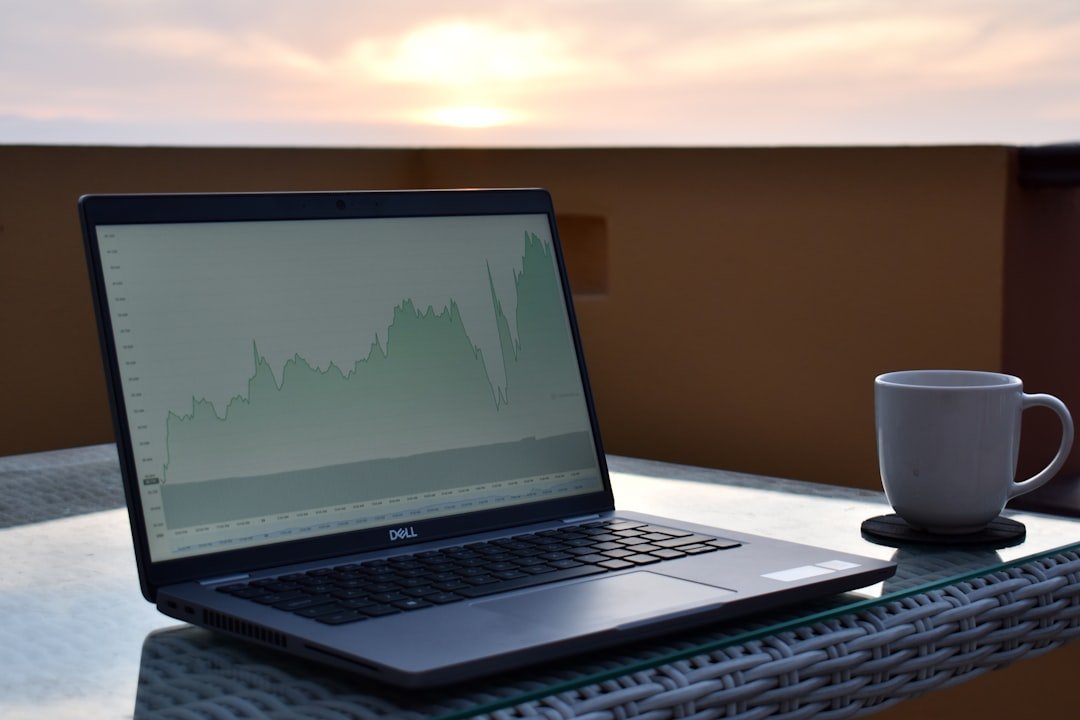
MetaTrader is one of the most widely recognized trading platforms used by retail and professional traders across the globe. Whether you are stepping into the world of financial markets for the first time or looking to sharpen your existing skills, understanding how to use meta trader online effectively can make a significant difference in your trading journey. This guide breaks down everything you need to know—from platform basics to advanced tools—in a clear and straightforward format.
What’s Covered
- What Is MetaTrader and How Does It Work?
- What Are the Key Features of MetaTrader?
- How Does MetaTrader Online Differ from the Desktop Version?
- What Are the Most Commonly Asked Questions About MetaTrader?
- What Should Beginners Focus on First?
- Building Confidence Through Consistent Practice
What Is MetaTrader and How Does It Work?
MetaTrader is an electronic trading platform developed by MetaQuotes Software. It provides traders with access to global financial markets, including forex, commodities, indices, and more. The platform operates through a broker, meaning users must open an account with a licensed broker that supports MetaTrader to begin trading.
Once connected, users can analyze price movements, execute buy and sell orders, and monitor open positions—all from a single interface. The platform supports both manual trading and automated trading strategies, making it highly flexible for different types of traders.
What Are the Key Features of MetaTrader?
MetaTrader offers a rich set of built-in features designed to support traders at every level:
Advanced Charting Tools: Users can access multiple chart types, timeframes, and over fifty built-in technical indicators to study price action and identify trading opportunities.
Automated Trading (Expert Advisors): MetaTrader supports algorithmic trading through Expert Advisors (EAs)—custom programs that can execute trades automatically based on predefined rules.
Multiple Order Types: The platform allows market orders, pending orders, stop-loss, and take-profit settings, giving traders precise control over entries and exits.
Multi-Asset Access: Depending on the broker, traders can access forex pairs, metals, energies, stocks, and indices from one account.
Real-Time Quotes and News: Live price feeds and integrated financial news keep traders informed without needing to switch between applications.
How Does MetaTrader Online Differ from the Desktop Version?
The online version of MetaTrader—often referred to as the WebTrader—runs directly in a web browser without requiring any software installation. This makes it especially convenient for traders who switch devices frequently or prefer not to download additional software.
Key differences include:
Accessibility: The web platform can be accessed from any device with a stable internet connection and a modern browser.
Feature Set: While the web version covers core trading functions, the desktop version offers a broader range of customization, including the ability to install custom indicators and EAs.
Performance: Desktop installations tend to offer faster execution speeds and more stable performance during high-volatility market sessions.
For casual traders or those just starting out, the online version is often sufficient. More active or algorithmic traders typically prefer the full desktop experience.
What Are the Most Commonly Asked Questions About MetaTrader?
Is MetaTrader free to use?
The platform itself does not carry a direct cost for end users. Brokers license the software and offer it to their clients as part of the trading account package. That said, trading always involves costs such as spreads and commissions charged by the broker.
Is MetaTrader suitable for beginners?
Yes. MetaTrader includes a built-in help section, a demo account feature, and a structured interface that guides new users through the basics. Demo accounts allow beginners to practice trading with virtual funds before committing real capital—an invaluable tool for building confidence and testing strategies.
Can MetaTrader be used on mobile devices?
MetaTrader offers dedicated mobile applications for both iOS and Android devices. The mobile app mirrors most of the core features found on the desktop version, allowing traders to monitor markets, manage positions, and receive alerts on the go.
What is the difference between MetaTrader 4 and MetaTrader 5?
MetaTrader 4 (MT4) was built primarily for forex trading and remains one of the most widely used platforms globally due to its simplicity and large community of users. MetaTrader 5 (MT5) is a more advanced version that supports a broader range of asset classes, offers additional order types, and includes an improved strategy tester for backtesting automated systems. Many brokers now offer both versions.
How do Expert Advisors work on MetaTrader?
Expert Advisors are automated scripts written in MetaQuotes Language (MQL). They analyze market conditions based on a set of coded rules and can open, manage, or close trades without manual intervention. Traders can build their own EAs, download free versions from the MetaTrader marketplace, or purchase professionally developed ones.
What technical indicators are available on MetaTrader?
The platform includes a comprehensive library of technical indicators spanning trend-following tools, oscillators, volume-based tools, and Bill Williams indicators. Traders can also install custom indicators developed by third parties through the MetaTrader marketplace or by importing MQL files directly.
How secure is MetaTrader?
MetaTrader uses encrypted data transmission to protect user information and trading activity. Security is also dependent on the broker’s infrastructure, so choosing a regulated and reputable broker is essential. Users are advised to enable two-factor authentication where available and keep login credentials strictly confidential.
What Should Beginners Focus on First?
Starting with a demo account is the most practical first step. This allows new users to explore the platform’s interface, test different order types, and experiment with indicators—all without financial risk. Once comfortable, beginners are encouraged to:
Learn how to read candlestick charts and identify basic patterns.
Understand risk management concepts, including position sizing and stop-loss placement.
Develop a simple trading strategy and test it consistently before live trading.
Review trade history and journal results to identify areas for improvement.
Building Confidence Through Consistent Practice
MetaTrader is a powerful platform, but like any professional tool, its value depends on how well the user understands and applies it. The depth of features can feel overwhelming at first, but a structured approach—starting with the basics and gradually exploring more advanced capabilities—makes the learning curve manageable.
Traders who invest time in understanding the platform’s tools, practice disciplined risk management, and remain patient through the early stages tend to develop stronger long-term results. MetaTrader provides the environment; the strategy and discipline are yours to build.
Quick Summary
- MetaTrader is an electronic trading platform developed by MetaQuotes Software that provides access to global financial markets such as forex, commodities, and indices.
- The platform supports both manual and automated trading strategies, allowing users to execute trades based on predefined rules through Expert Advisors (EAs).
- MetaTrader is accessible through a web browser via its online version, known as WebTrader, which does not require software installation, but the desktop version offers more customization and faster execution speeds.
- MetaTrader is free for end users, as brokers license the software and provide it as part of the trading account package, although trading costs such as spreads and commissions still apply.
- The platform includes a demo account feature that allows beginners to practice trading with virtual funds before risking real money, helping them test strategies and build confidence.
- MetaTrader 5 is a more advanced version of MetaTrader that supports a wider range of asset classes, additional order types, and includes an improved strategy tester for backtesting.