




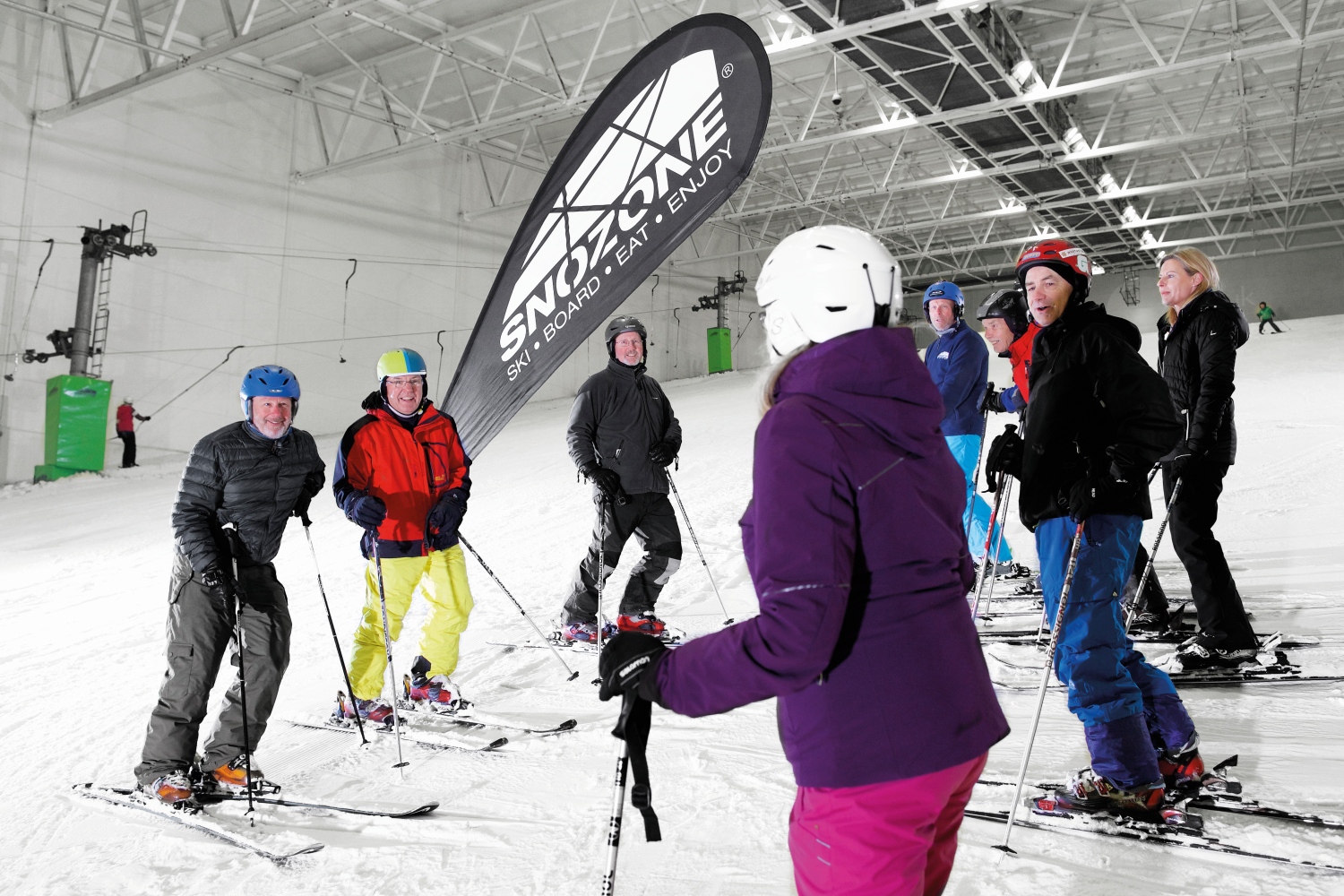
If you are planning a ski holiday in a catered chalet 3 valleys resort, choosing the right ski pass is one of the most important decisions you will make. It affects where you can ski, how much you pay and how much value you get from your time in the mountains. From local passes to full area access and early booking deals, understanding your options can make a big difference to both your budget and your experience on the slopes.
Buying a ski pass is one of the biggest costs of any ski holiday, yet many people do not fully understand the options available. This guide explains the main ski pass types, how they differ between regions, and when to buy so you can get the best possible value for your trip.
What is a ski pass?
A ski pass is your ticket to use the lifts in a ski resort. Without one, you cannot access chairlifts, gondolas or cable cars that take you up the mountain.
Most modern resorts use electronic ski passes that are scanned automatically at the lift gates. These can be reloaded online in many destinations, which saves time and avoids queues.
Types of ski passes
There are three main types of ski passes, and choosing the right one depends on how and where you plan to ski.
A local pass gives you access to one specific resort or village area. This is often the cheapest option and is ideal for beginners who are likely to stay on nursery slopes and easy runs close to their accommodation.
A regional pass covers several linked resorts in the same area. These passes allow you to ski a wider variety of runs and explore different villages using the lift network.
A full area pass gives you access to the entire ski domain. This is usually the most expensive option but offers the greatest freedom, with hundreds of kilometres of pistes available.
Regional differences in ski passes
Ski pass systems vary between countries and regions.
In France, large linked areas such as the Three Valleys, Paradiski and Portes du Soleil offer both local and full area passes. This means you can choose a cheaper local pass if you are staying in one village or upgrade if you want to explore the full domain.
In Austria, many resorts sell passes that already include several neighbouring areas, giving good value for intermediate skiers who like to move around.
In Italy, ski passes are often sold by region, such as Dolomiti Superski, which covers multiple resorts with one ticket.
In Switzerland, passes tend to be more expensive but often include excellent infrastructure and scenic lift journeys.
Understanding what is included in each pass is important, especially if you plan to ski beyond your immediate resort.
When should you buy your ski pass?
Timing matters when it comes to ski passes.
Many resorts offer discounts for buying in advance, either online or as part of a package holiday. This can be cheaper than buying at the resort.
If you are skiing during peak periods such as school holidays, it is a good idea to pre book your pass to avoid queues on your first morning.
Some resorts offer flexible passes that can be upgraded during your stay. This allows you to start with a local pass and move to a full area pass later if you decide to explore more.
How to get the best value
To get the best value, think about your ability level and how much ground you realistically plan to cover.
Beginners often do not need a full area pass, especially in their first few days. A local pass is usually more than enough and can save a lot of money.
Intermediate and advanced skiers may benefit from a larger area pass, as it gives access to longer runs, higher slopes and a wider choice of terrain.
Look out for family deals, group discounts and multi day passes, which are often cheaper per day than buying single day tickets.
Final thoughts
Ski passes can seem confusing, but choosing the right one is about matching your pass to how you ski. By understanding the difference between local, regional and full area passes, and knowing when to buy, you can avoid overspending and get more from your time on the mountain.
A little planning before you travel can lead to better value, shorter queues and more enjoyable days on the slopes.